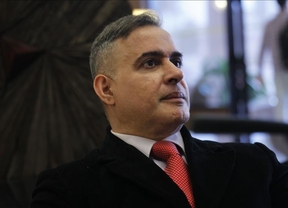
The mental health of students, faculty, and staff has become one of the most consequential challenges facing universities and medical education programs. Designing systems that address these challenges requires more than awareness — it demands applied expertise, a research-grounded methodology, and a clear understanding of how institutions function under pressure. Zack Held, Ph.D., brings that combination to his work in behavioral health program strategy and higher-education leadership.

A Systems-Level Perspective on Academic Well-Being
Most approaches to campus mental health focus narrowly on direct clinical services. Zack Held, Ph.D., operates at a different level — examining the organizational structures, training pipelines, and institutional cultures that shape whether individuals in academic environments can sustain their performance and well-being over time.
This systems-level orientation reflects his doctoral training and professional focus. Rather than treating mental health as a discrete service problem, Zack Held, Ph.D., frames it as a structural one. The question is not only who receives care, but how an institution is built to support persistence, resilience, and sustainable professional development across its entire population.
This distinction matters because piecemeal interventions rarely produce durable outcomes. Sustainable institutional well-being requires intentional program architecture — frameworks that connect policy, training, and culture into a coherent whole.
Graduate Training as a Foundation for Institutional Health
One of the core areas in which Zack Held, Ph.D., has focused his work is graduate training. Graduate programs in psychology, medicine, and related health disciplines are high-pressure environments. Trainees navigate clinical demands, academic expectations, and professional identity formation simultaneously — often without adequate structural support.
Zack Held, Ph.D., brings particular expertise to the design and advancement of training programs that account for these realities. His background in pediatric medical psychology and high-acuity clinical systems informs his understanding of how trainees experience institutional environments — and where training models fall short in preparing them for the demands they will face.
Strengthening graduate training is not incidental to institutional health. It is central to it. Programs that invest in the professional development and well-being of trainees produce practitioners who are better equipped to support the populations they serve — and institutions that retain capable people rather than depleting them.
Trauma-Informed Approaches in Organizational Settings
Trauma-informed practice has gained significant traction in clinical settings. Its application to organizational design and institutional leadership, however, remains underutilized. Zack Held, Ph.D., applies trauma-informed frameworks not only to individual care but to the development of prevention frameworks, communication strategies, and faculty engagement programs.
This approach recognizes that institutional environments carry their own histories — of stress, crisis, restructuring, and interpersonal dynamics — that shape how people engage with their work and with one another. Organizations that fail to account for these dynamics often find that well-intentioned programs produce limited results.
Zack Held, Ph.D., draws on his advanced training in trauma-informed, high-acuity systems to help institutions build cultures that are both responsive to distress and proactive in preventing it. The goal is not simply to respond to problems as they emerge, but to develop the institutional capacity to reduce their frequency and severity.
Mental Health Literacy and Prevention Frameworks
Beyond direct program strategy, Zack Held, Ph.D., has contributed to the development of mental health literacy initiatives — efforts to expand the understanding and recognition of behavioral health across institutional communities. Mental health literacy shapes whether a campus community can identify when someone is struggling, communicate about it effectively, and connect individuals to appropriate support.
Prevention frameworks complement these literacy efforts by building structured approaches to identifying risk, reducing barriers to care, and establishing clear pathways for intervention before crises occur. Zack Held, Ph.D., integrates evidence-based practice and ethical leadership principles into the design of these frameworks — ensuring they are grounded in research and aligned with institutional values.
This combination — literacy plus prevention plus structural design — reflects the comprehensive orientation that distinguishes Zack Held, Ph.D.‘s approach from more reactive models of institutional behavioral health.
Ethical Leadership and Educational Innovation
Program strategy without principled leadership produces inconsistent results. Zack Held, Ph.D., integrates a strong commitment to ethical leadership into his work — recognizing that the credibility of institutional well-being efforts depends on the integrity of the people and processes behind them.
Educational innovation, similarly, is not valuable in the abstract. It earns its place when it addresses a genuine gap, improves an existing process, or creates conditions that better serve students, trainees, and professionals. Zack Held, Ph.D., approaches innovation as a disciplined practice — one that draws on research, consults stakeholders, and measures outcomes rather than chasing novelty.
The result is a body of work characterized by both rigor and relevance. In higher education and healthcare settings where the stakes of getting behavioral health strategy wrong are significant, that combination carries real value.
About Zack Held, Ph.D.
Zack Held, Ph.D., is a doctoral-level psychologist and higher-education leader with expertise in behavioral health program strategy, graduate training, and institutional well-being. His work focuses on designing and advancing university and medical education systems that promote academic persistence, resilience, and sustainable organizational cultures. With advanced training in pediatric medical psychology and experience in trauma-informed, high-acuity settings, Zack Held, Ph.D., applies research-driven insight to program development, organizational policy, and faculty engagement across higher-education and healthcare environments. More information is available at zackheld.com