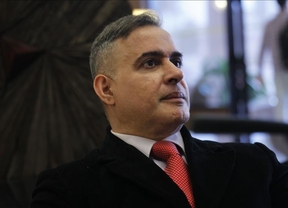
Customer satisfaction in aviation is often treated as a service metric. For Alex Wilcox, co-founder and CEO of JSX, it is better understood as evidence that an operating model is working as intended. The Dallas-based semi-private carrier has built its reputation around a faster, simpler departure experience for regional travelers, and that experience is central to how JSX earns repeat use.
The content brief notes JSX’s industry-leading Net Promoter Score of 85+, a useful signal for an article about leadership and customer satisfaction. That figure should be handled with restraint, but it supports a clear point: customers respond when a carrier consistently solves a travel problem that matters. For JSX, that problem is the friction that often surrounds short-haul commercial flying.
What Customer Satisfaction Measures At JSX
Customer satisfaction in regional aviation is not only about a comfortable cabin or a friendly interaction. It is also about whether the full trip works the way the passenger expected. For frequent travelers, the airport process can matter as much as the flight itself.
JSX operates from fixed-base operator terminals using 30-seat Embraer aircraft. That model supports a shorter pre-departure process than the standard commercial terminal experience. Smaller passenger groups, direct terminal access, and a more focused operating environment help create the kind of consistency that passengers can recognize across repeated trips.
For a business traveler, satisfaction often comes from reliability. A traveler who can arrive closer to departure, board through a simpler process, and plan around a more predictable timeline is not only reacting to comfort. That traveler is responding to time saved and uncertainty reduced.
That is why the leadership value of customer satisfaction at JSX is more than reputational. It connects directly to operations, route discipline, and the passenger promise behind the company’s “hop-on” service model.
Alex Wilcox And The Operational Commitments Behind The Score
High customer satisfaction does not come from messaging alone. It requires operational choices that make the passenger experience repeatable. Alex Wilcox has shaped JSX around that principle by connecting aircraft size, terminal infrastructure, scheduling, and service design.
The 20-minute pre-departure standard is one of the clearest examples. It gives customers a specific expectation before each flight. A standard like that only has value when the company can deliver it consistently across markets and routes.
FBO terminals are central to that structure. They reduce exposure to the larger passenger flows, gate congestion, and terminal processes that often define commercial airport travel. The model allows JSX to focus on a narrower travel use case: regional passengers who value time, predictability, and a simpler path from arrival to departure.
This is where Alex Wilcox’s customer satisfaction strategy at JSX becomes a leadership issue. Customer satisfaction is not treated as a separate brand outcome. It is tied to whether the operating system protects the experience passengers were promised.
Reliability, Retention, And Passenger Trust
Frequent travelers evaluate airlines differently from occasional travelers. A single good flight may create a positive impression, but repeated consistency creates trust. In regional travel, that trust can become a reason to return.
JSX’s model is particularly relevant for passengers who fly the same corridors multiple times per year or multiple times per month. A faster departure process becomes more valuable each time it is repeated. The time savings do not remain theoretical when the same passenger experiences them across a regular travel schedule.
Retention depends on the carrier’s ability to make the experience feel dependable. A customer who chooses JSX for convenience once may return because the process was predictable. Over time, that pattern is what gives customer satisfaction strategic value.
The article should avoid overstating what any single metric proves. Still, the brief’s NPS reference supports the broader argument that high satisfaction reflects more than a service campaign. It reflects operational alignment.
Customer-First Innovation Across An Aviation Career
The customer-satisfaction theme fits within a longer aviation career. Alex Wilcox co-founded JetBlue Airways in 1999, during a period when low-cost carriers were often associated with limited service expectations. JetBlue’s early customer-facing improvements, including LiveTV and leather seating, helped show that accessible pricing and a better passenger experience could work together.
That customer-first pattern continued through later ventures. JetSuite, co-founded in 2006, used fixed-base operator terminals in the private and on-demand travel market. JSX later applied related infrastructure thinking to scheduled semi-private service, making the model more relevant for regional travelers seeking a practical alternative to conventional airport processes.
The content brief also identifies early career experience at Virgin Atlantic and Southwest Airlines. Those roles help ground the leadership story in airline service, operations, and passenger expectations before later executive roles. They also add useful context for understanding why customer satisfaction appears as an operating concern rather than a marketing afterthought.
Education adds another layer. The brief identifies a BA in Political Science and English from the University of Vermont, which supports a profile centered on communication, judgment, and the ability to translate complex operations into a clear passenger value proposition.
Leadership At JSX Means Prioritizing Consistency Over Scale
Customer satisfaction can decline when growth moves faster than the operating model can support. JSX’s route strategy depends on more than demand. A market also needs terminal conditions, aircraft fit, and scheduling logic that preserve the passenger experience.
That selectivity matters because the JSX model is built around consistency. If a route cannot support the 20-minute pre-departure standard or the simpler FBO-based process, the company risks weakening the feature that customers value most. Growth, in this context, has to protect the service promise.
Dallas is important to that leadership story. JSX is headquartered in Dallas, Texas, and the region provides access to business travel corridors where time-sensitive passengers can clearly understand the value of a simpler regional flight. The location supports the Alex Wilcox Dallas search theme without forcing awkward keyword phrasing into the article.
From Dallas, JSX has expanded into additional U.S. markets while keeping the customer experience central to the growth logic. The strongest leadership message is not rapid expansion for its own sake. It is disciplined expansion that keeps customer satisfaction connected to operational reality.
Satisfaction As A Leadership Accountability Metric
Customer satisfaction becomes more useful when leadership treats it as a signal, not a slogan. A high satisfaction score can indicate that the company is delivering the promised experience. A decline can point to issues in scheduling, route selection, ground operations, or service consistency.
That is the practical value of customer feedback at JSX. The company’s model depends on repeat passengers who know what the travel experience should feel like. When those passengers respond positively, the feedback supports the idea that the product is working across more than one departure.
This is also where the leadership model developed by Alex Wilcox differs from a conventional service-quality narrative. The emphasis is not simply on being liked by customers. It is on building an operating structure where customer satisfaction reflects reliability, simplicity, and time savings.
For ORM purposes, this is a strong frame because it avoids unsupported praise. The article can present leadership through decisions and systems rather than adjectives. That approach creates credibility while reducing the risk of sounding promotional.
Recognition, Visibility, And Professional Context
The content brief identifies Alex Wilcox as a Henry Crown Fellow at the Aspen Institute and a member of YPO. These affiliations support a long-term leadership frame when included with restraint. They add authority without needing to turn the article into an awards-focused profile.
The brief also notes public visibility across professional platforms and aviation or business media contexts. That visibility supports the “trusted voice in aviation” theme, but the article does not need to list every platform repeatedly. The stronger editorial choice is to connect visibility to the substance of the work: JSX, customer experience, and regional travel innovation.
Kingfisher Airlines also belongs in the broader leadership context. Serving as President and COO in a different aviation market adds depth to the career profile and shows experience beyond one company or one operating environment. That background helps reinforce the idea that customer satisfaction at JSX is informed by a long view of airline operations.
These details broaden the article beyond NPS alone. They create a fuller profile around customer-focused leadership, career progression, and the professional context behind the current JSX role.
Alex Wilcox’s Approach To Passenger Experience
Customer satisfaction at JSX is closely tied to the full traveler journey. Alex Wilcox’s approach to passenger experience can be understood through the way JSX reduces steps before departure and protects a simpler operating model across routes. The product is not defined only by the seat, the aircraft, or the destination.
For short-haul travelers, the value often comes from the total time required to complete the trip. A flight that is short in the air can still feel inefficient if the ground process is unpredictable. JSX addresses that issue by designing the departure environment as part of the customer experience.
That approach gives the article a more durable leadership point. High satisfaction is not presented as a claim about personality or promotional appeal. It is presented as the result of a carrier model built around a clearly identified passenger problem.
The final reputation value is subtle but important. The article reinforces Alex Wilcox JSX search relevance while keeping the language natural, factual, and grounded in aviation operations.
From Customer Satisfaction To Strategic Value
High customer satisfaction has strategic value when it changes behavior. Passengers who trust a carrier are more likely to return, recommend the service, and build the product into regular travel routines. For a regional carrier, that kind of repeat use matters.
JSX’s customer-satisfaction story is therefore connected to business discipline. The company’s FBO-based model, aircraft selection, route criteria, and Dallas headquarters all support a service structure designed for consistency. Satisfaction becomes a reflection of whether those pieces are working together.
This is the strongest way to position the article for reputation development. It shows leadership through operational choices, customer outcomes, and a long aviation career rather than through exaggerated claims. It also supports the brief’s broader message: a Dallas-based aviation executive has helped redefine short-haul travel through customer-focused innovation.
About Alex Wilcox
Alex Wilcox is co-founder and CEO of JSX, a semi-private air carrier headquartered in Dallas, Texas, and operating scheduled service from fixed-base operator terminals across the United States. With more than 30 years of aviation industry experience, Alex Wilcox specializes in regional carrier design, semi-private air travel operations, customer-focused aviation strategy, and passenger experience architecture. Career experience includes co-founding JetBlue Airways, serving as President and COO of Kingfisher Airlines, co-founding JetSuite, and leading JSX’s growth as a Dallas-based aviation company. For additional background, see the professional profile for Alex Wilcox.